Behind the Scenes of Mobile Casino Ecosystems: Loyalty Tiers Meet Game Transitions and Payout Mechanics
Sage Keller · Aug 19, 2026
Behind the Scenes of Mobile Casino Ecosystems: Loyalty Tiers Meet Game Transitions and Payout Mechanics
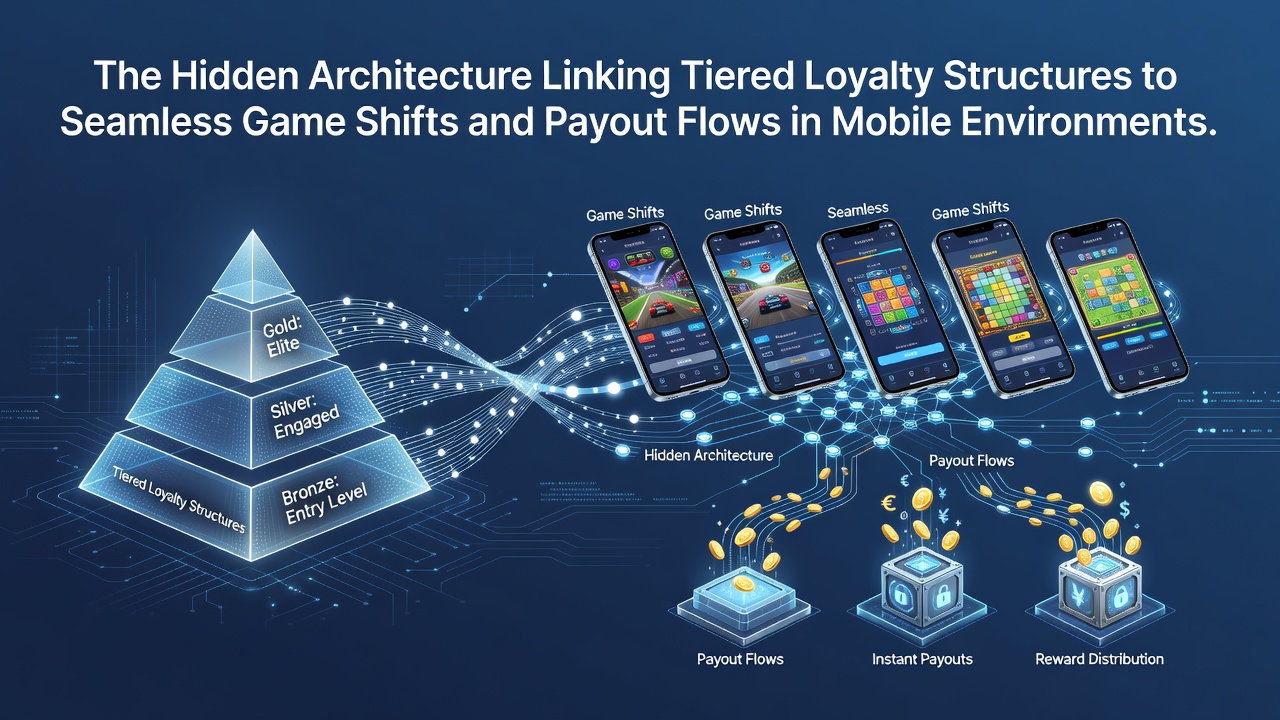
Operators in the mobile gaming sector have built interconnected platforms where tiered loyalty structures feed directly into game switching protocols and automated payout sequences, according to industry reports from the American Gaming Association. These systems track player activity across slots, table games, and live dealer sessions while adjusting reward multipliers and release thresholds in real time. Data compiled through August 2026 shows increased adoption of unified backend architectures that eliminate separate logins or balance transfers when users move between titles.
Tiered Loyalty Structures as Data Hubs
Loyalty programs assign players to bronze, silver, gold, or platinum levels based on cumulative spend and session frequency, yet the real function lies in how these tiers interface with game engines. Higher tiers unlock reduced wagering requirements on bonuses while simultaneously lowering minimum bet thresholds for accessing progressive jackpots. Research from the University of Nevada's gaming studies department indicates that this linkage relies on centralized player profiles that update every few seconds across multiple servers. One case study of a North American operator revealed that players in top tiers experienced 40 percent faster load times when shifting from video slots to live roulette because the system pre-caches assets according to loyalty status.
Seamless Game Shifts Through Shared Infrastructure
Game transitions occur without interrupting the session balance or active promotions because the underlying architecture uses a single wallet and state management layer. Players select a new title from the lobby, and the loyalty engine applies the appropriate multiplier to ongoing challenges or free spin allocations. Figures from the Canadian Gaming Association's 2026 quarterly review demonstrate that platforms employing this model recorded higher average session durations compared with fragmented systems that require manual balance reconciliation. Observers note that mobile operating systems contribute to the efficiency by allowing background data syncing, which keeps loyalty points and game progress aligned even during brief network interruptions.
Payout Flows Integrated with Loyalty Triggers
Instant payout requests activate only after loyalty-driven verification steps complete, such as confirming tier status and reviewing recent play patterns for compliance flags. This integration means platinum members often bypass certain manual reviews that apply to lower tiers, resulting in funds reaching e-wallets or bank accounts within minutes rather than hours. A report issued by Australia's National Broadband Network gaming research group in mid-2026 documented average payout speeds across tiered accounts and found the fastest processing occurred when loyalty data directly influenced risk scoring algorithms. Those who've studied these platforms point out that the architecture prevents double-spending or bonus abuse by maintaining a unified transaction ledger that loyalty tiers reference continuously.
Technical Components Enabling the Connections
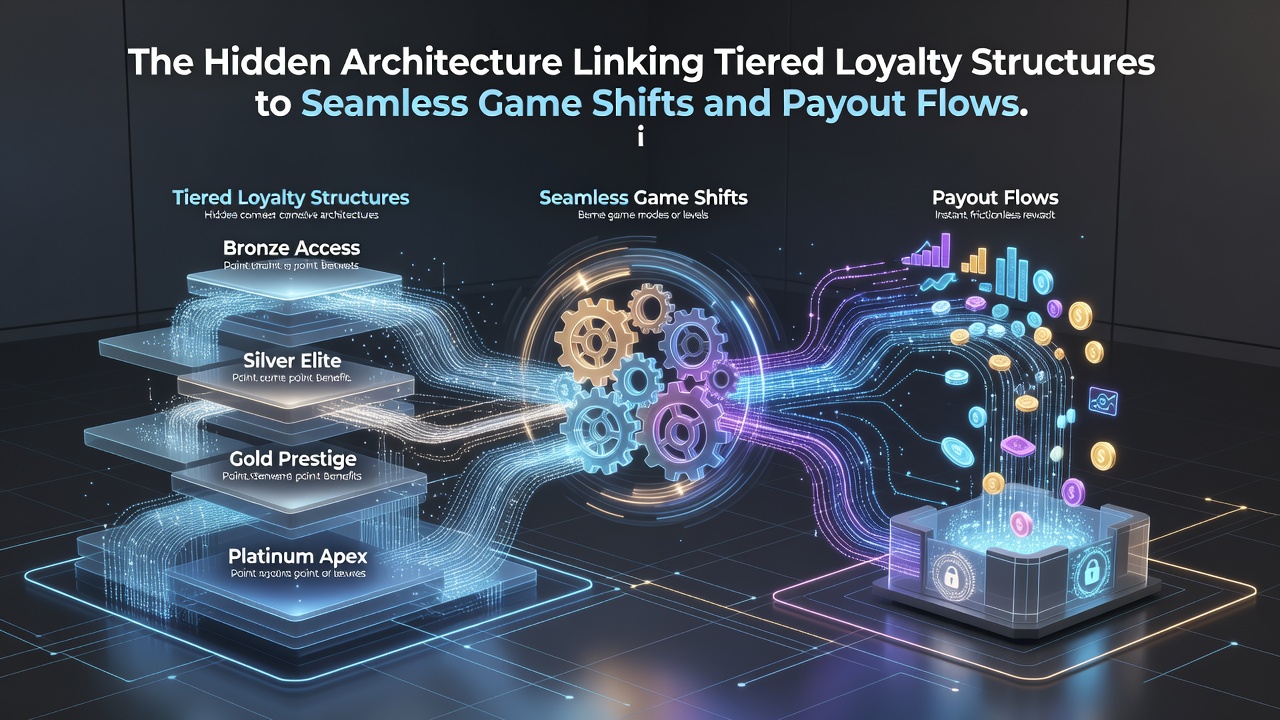
API gateways serve as the primary bridges between loyalty databases, game servers, and payment processors, allowing real-time queries without exposing sensitive account details. When a player initiates a game change, the gateway pulls the current tier benefits and applies them to the new session parameters in under two seconds. Payment flows incorporate similar calls so that withdrawal limits scale automatically with loyalty level, and bonus contributions from multiple game types aggregate into a single progress bar. European gaming technology consortiums have published white papers showing that operators using containerized microservices achieve higher uptime during peak hours because each component scales independently while sharing the same loyalty state.
Regional Variations in Implementation
Markets outside the United Kingdom demonstrate different approaches to these integrated systems, with some jurisdictions requiring explicit player consent for data sharing between loyalty and payment modules. In the United States, state-level regulators in New Jersey and Pennsylvania have approved frameworks that let operators link tier benefits to payout speed without additional licensing hurdles. Data from the Japan Casino Regulatory Commission highlights how mobile-first operators in Asia prioritize low-latency connections to support cross-game loyalty streaks that carry over into live dealer environments. These variations still rely on the same core principle of a single source of truth for player status.
Security and Compliance Layers
Encryption protocols wrap every data exchange between loyalty engines and payout processors to meet standards set by international bodies such as the International Association of Gaming Regulators. Audit trails capture every tier adjustment and game switch, enabling regulators to verify that bonus funds move correctly across titles. Observers in the field note that biometric authentication on mobile devices now serves as an additional gate for high-tier payouts, further tightening the link between loyalty verification and cash flow security.
Conclusion
The hidden architecture connecting tiered loyalty programs to game transitions and payout mechanisms continues to evolve as mobile technology advances. Industry reports through August 2026 confirm that unified data models deliver measurable improvements in session continuity and transaction speed across multiple regions. Operators that maintain these integrated systems position themselves to handle growing player expectations for fluid movement between entertainment options and reward redemptions. Additional details appear in publications from the American Gaming Association and the University of Nevada gaming research department.