Digital Wallet Protocols Transform Cross-Border Casino Play with Seamless Game Shifts and Loyalty Integration
Lars Sullivan · Aug 14, 2026
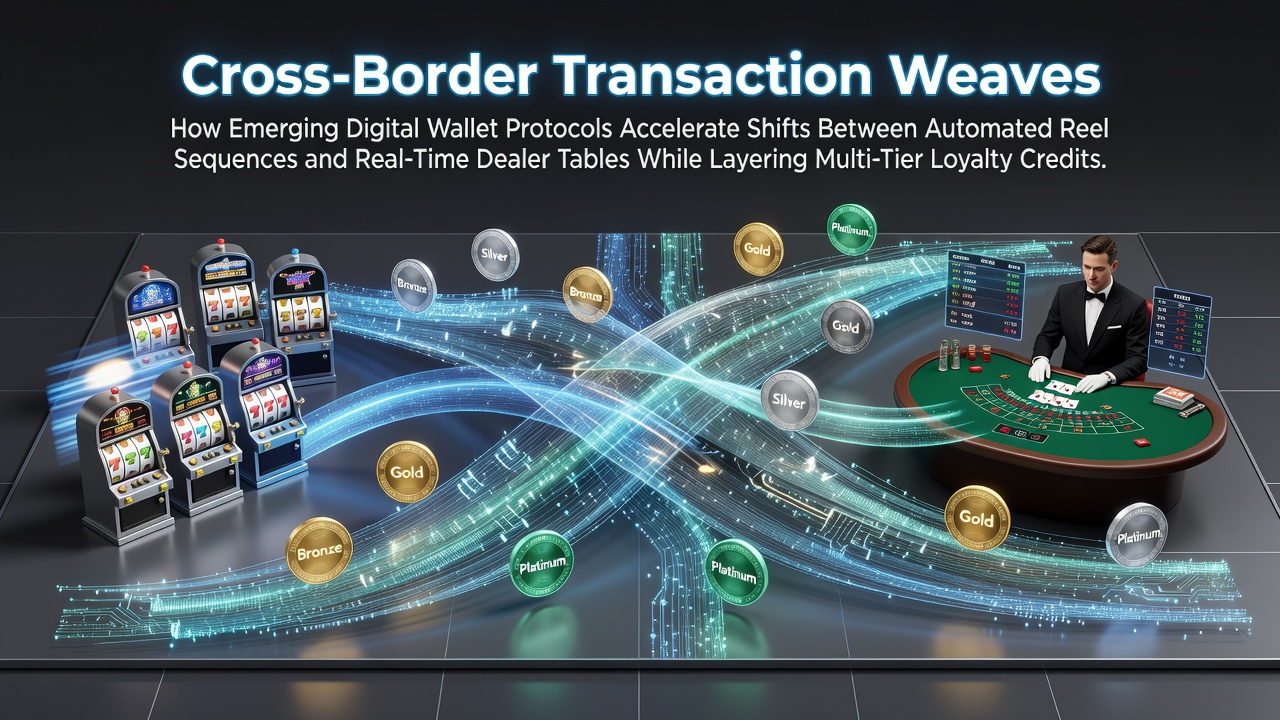
Digital Wallet Protocols Transform Cross-Border Casino Play with Seamless Game Shifts and Loyalty Integration
Digital wallet protocols have expanded rapidly across international gambling markets since early 2025, and observers note that these systems now support instant transfers that connect slot sequences with live dealer sessions while accumulating layered loyalty credits in a single account. Data from the European Gaming and Betting Association shows that transaction volumes involving multi-currency wallets rose 28 percent year-over-year through the first half of 2026, with many operators integrating protocols that settle funds in under three seconds regardless of player location.
These protocols rely on standardized APIs that verify identity once and then route payments through licensed financial rails, which reduces the friction that previously forced players to exit one game type and log into another platform. According to a June 2026 industry report from the Nevada Gaming Control Board, operators using these wallets recorded average session lengths that extended by 14 minutes when users moved directly from automated reel sequences to real-time tables without separate funding steps.
Mechanics Behind Protocol-Driven Transitions
Emerging wallet standards embed smart routing features that detect when a player switches from slots to live dealer environments and automatically adjust settlement paths to maintain compliance with local rules in both jurisdictions. The system checks regulatory flags in real time, applies currency conversion at the prevailing rate, and posts loyalty points to a unified tier structure that recognizes activity across both game categories. Research from the University of Nevada Reno gaming laboratory indicates that such unified ledgers cut reconciliation errors by 41 percent compared with legacy payment stacks that treated each vertical separately.
Multi-tier loyalty credits accumulate through a points engine that assigns base values plus multipliers based on game type and stake level, then layers bonus credits when a player completes a set number of table rounds after a slot session. Figures from the Australian Gambling Research Centre reveal that platforms employing this layered model saw repeat cross-vertical play increase 19 percent among users who held accounts for at least 90 days.
Regional Adoption Patterns Observed in Mid-2026
Operators in the Asia-Pacific region began rolling out these protocols on a wider scale in August 2026, with several major platforms announcing integration timelines that aligned with new licensing windows in Singapore and Macau. European markets followed a staggered approach, where individual countries approved specific wallet providers after reviewing anti-money-laundering controls embedded in the transaction layer. Canadian provincial regulators, including those in Ontario, published updated technical standards in July 2026 that explicitly reference interoperability requirements for digital wallets crossing game categories.
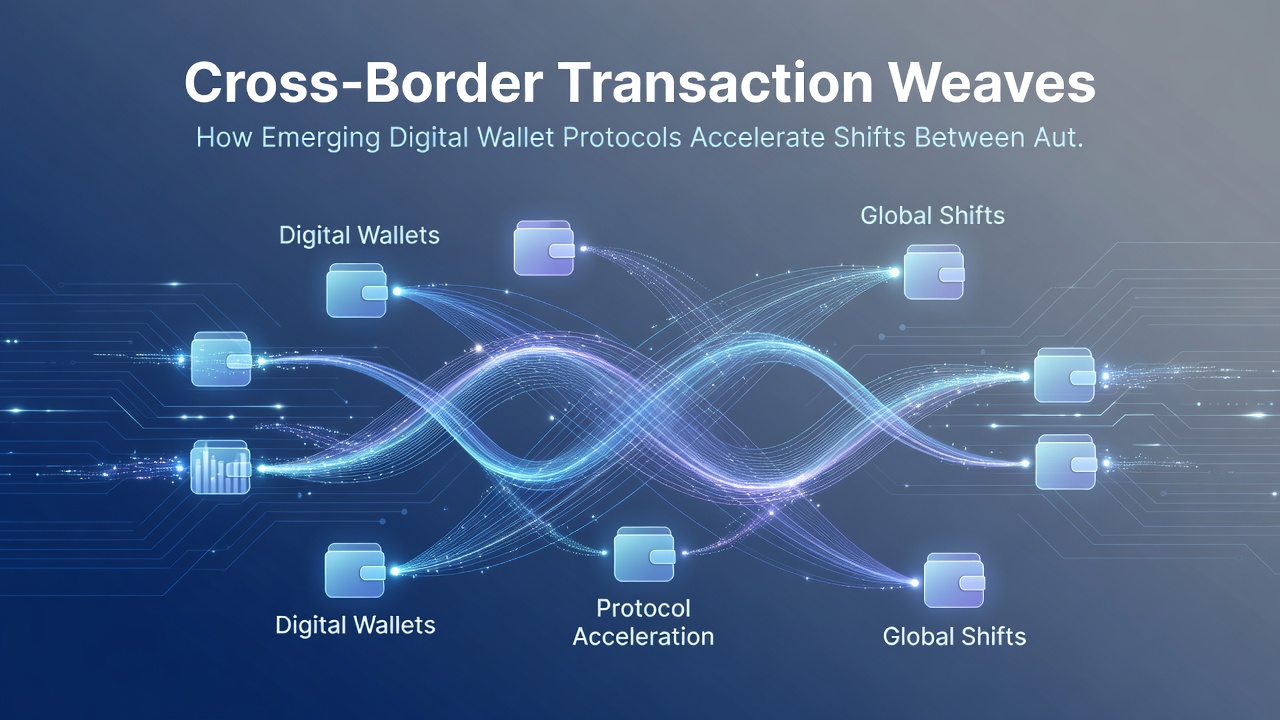
One study released by the International Center for Gaming Regulation examined transaction logs from 12 operators and found that the average number of game-type switches per active user climbed from 2.1 to 3.4 after wallet upgrades went live. The same report noted that loyalty credit redemptions occurred 23 percent more frequently when points earned on slots could be applied directly at live tables without additional conversion steps.
Loyalty Layering and Cross-Vertical Incentives
Multi-tier loyalty structures now incorporate separate ledgers for slots activity, table activity, and combined milestones, all managed inside the wallet interface. Players accumulate base points on reel sequences, receive table-specific multipliers during live sessions, and unlock higher redemption tiers once total credits reach preset thresholds. Industry data compiled by the World Lottery Association shows that operators offering these combined tiers retained 31 percent more high-activity accounts compared with those maintaining separate loyalty programs for each vertical.
Transaction logs indicate that cross-border users benefit most from the unified system because currency conversion and loyalty posting happen in the same atomic operation, which eliminates the previous need to wait for separate settlement batches. Protocols developed under the ISO 20022 messaging standard facilitate this by embedding loyalty metadata directly into payment instructions, allowing receiving systems to update tier status without additional API calls.
Regulatory and Security Considerations
Regulators across multiple jurisdictions have required wallet providers to maintain segregated accounts for gambling funds and to apply real-time velocity checks that flag unusual switching patterns between game types. The Financial Transactions and Reports Analysis Centre of Canada updated its guidance in May 2026 to address these patterns explicitly, while similar directives emerged from the Monetary Authority of Singapore during the same period. Security audits conducted by independent firms have confirmed that end-to-end encryption of loyalty metadata prevents tampering during cross-border handoffs.
Case examples documented by the International Association of Gaming Regulators illustrate how one European operator reduced chargeback rates by 17 percent after implementing wallet protocols that verified both payment source and loyalty tier status before allowing table entry. Similar outcomes appeared in North American deployments where automated compliance checks ran at the moment of each game switch.
Conclusion
Digital wallet protocols continue to reshape how players move between automated reel sequences and real-time dealer tables while consolidating multi-tier loyalty credits into unified accounts. Data from regulatory bodies and research institutions indicate measurable increases in session continuity, loyalty engagement, and cross-border transaction efficiency throughout 2026. As additional markets adopt standardized messaging and verification layers, the infrastructure supporting these seamless shifts is expected to expand further in subsequent licensing cycles.