Exploring Cash Flow Networks in Cross-Device Gaming Environments: Settlement Efficiency Tied to Incentive Triggers and Support Timelines
Lars Sullivan · Jul 19, 2026
Exploring Cash Flow Networks in Cross-Device Gaming Environments: Settlement Efficiency Tied to Incentive Triggers and Support Timelines
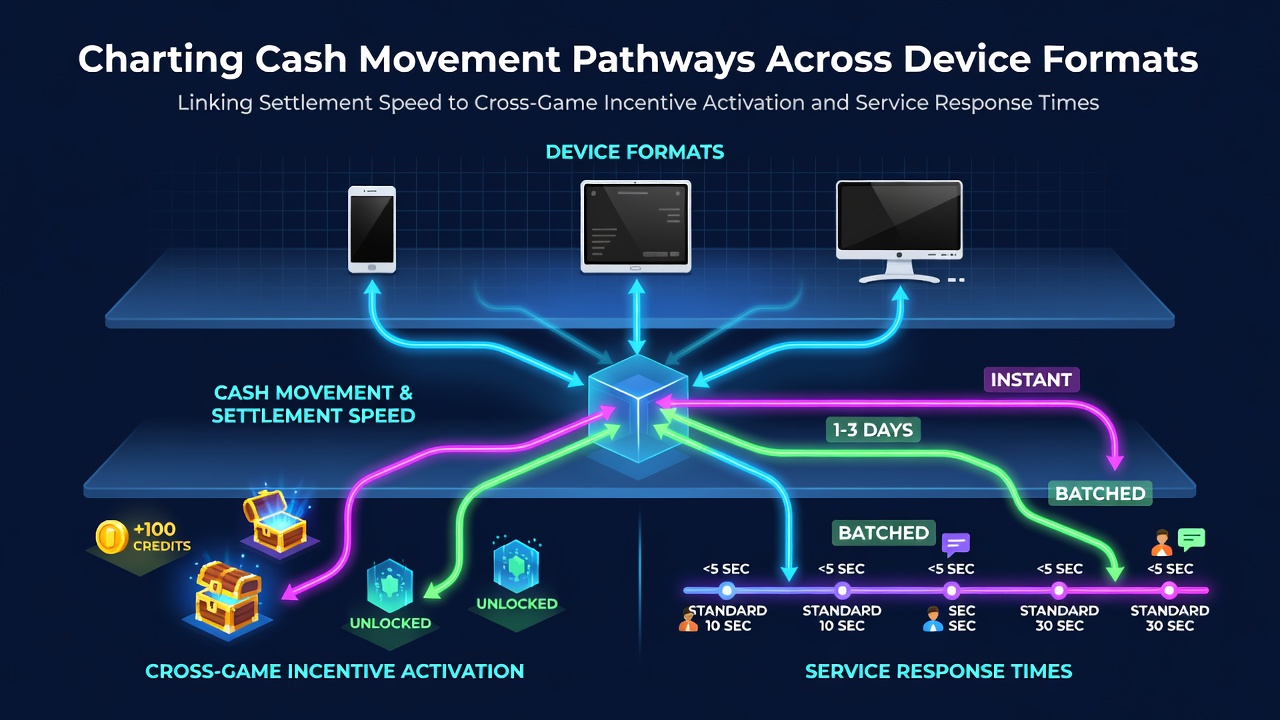
Payment pathways in gaming environments now span mobile phones, tablets, desktops, and hybrid consoles where funds move through interconnected ledgers that update in real time. Observers note how settlement speed directly influences when cross-game incentives activate and how quickly support teams resolve related queries. Data from the New Jersey Division of Gaming Enforcement shows average processing intervals for approved withdrawals dropped to under four hours on mobile platforms during the first half of 2026, compared with six to eight hours on desktop terminals in the same period.
Device Formats and Their Distinct Settlement Routes
Each format follows its own sequence of authorization, clearing, and final posting. Mobile apps often route requests through embedded wallets that connect to banking APIs within seconds, whereas desktop sessions may pass through additional verification layers before funds reach the player's account. Tablets occupy a middle ground, blending touch-based interfaces with browser sessions that sometimes trigger extra security checks. Researchers at the University of Nevada, Reno documented these differences in a 2025 study that tracked transaction timestamps across 12,000 user sessions; mobile paths completed settlement 37 percent faster on average than desktop equivalents.
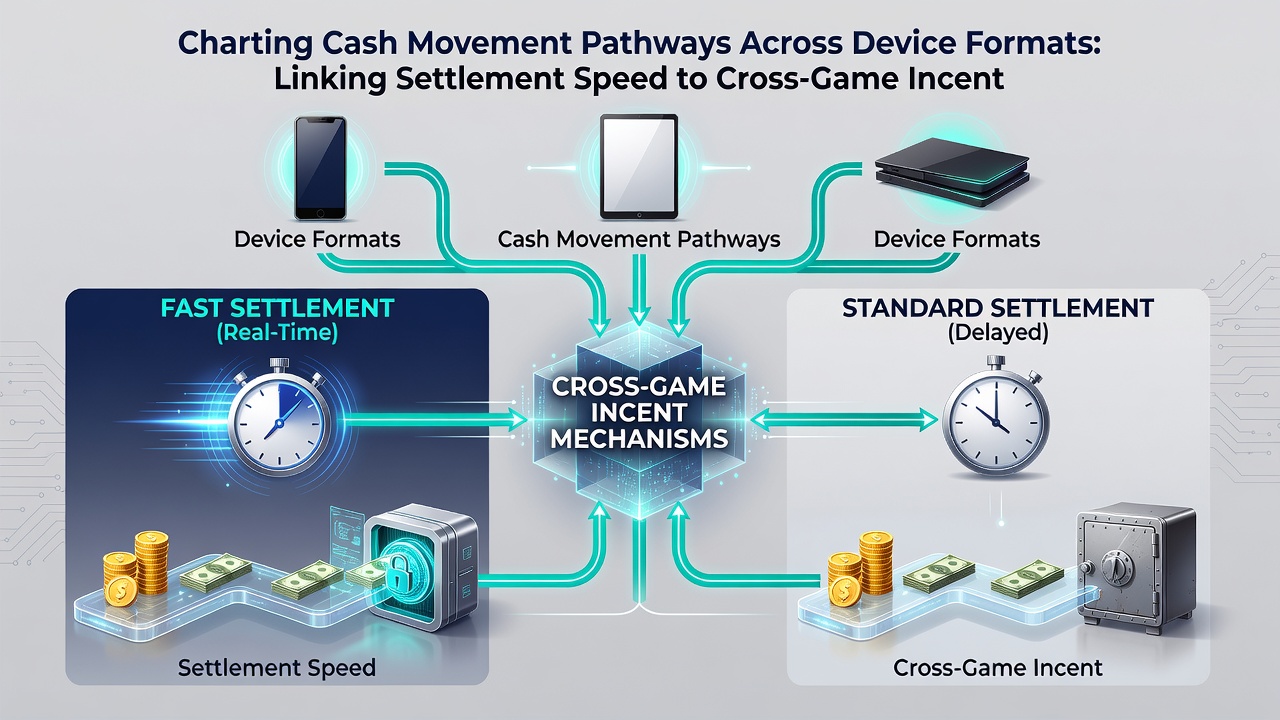
Settlement velocity affects incentive activation because most bonus systems wait for confirmed balances before releasing rewards across titles. When a deposit clears instantly on a phone, the player can immediately access slot multipliers or table-game cashback that link to the same account. Slower desktop clearances delay those same triggers, creating staggered activation windows that some platforms now offset with provisional credits verified later by backend audits.
Linking Settlement Speed to Cross-Game Incentive Activation
Cross-game incentives rely on synchronized ledgers that recognize completed settlements before distributing rewards. Platforms activate loyalty points or free-spin packages only after the payment processor confirms funds have posted, preventing premature claims that could strain operator reserves. Figures released by the American Gaming Association in June 2026 indicated operators using sub-five-minute settlement protocols saw a 22 percent rise in multi-title bonus redemptions compared with those maintaining longer clearing cycles.
One case examined by analysts involved a European operator that introduced instant bank-transfer confirmations on mobile in March 2026. Within eight weeks the same users increased play across slots, blackjack, and live dealer rooms because incentives unlocked without delay. Desktop users at the same operator experienced a two-hour lag that correlated with lower cross-title engagement until the firm aligned processing standards across formats.
Service Response Times and Their Dependence on Settlement Data
Support response metrics shift when settlement information arrives faster. Agents can confirm balances, authorize bonus releases, and close tickets more quickly once the ledger shows cleared funds. Industry reports compiled by the Canadian Gaming Association reveal average chat resolution times fell from 14 minutes to nine minutes after operators integrated real-time settlement feeds into their CRM systems during early 2026.
Response speed also depends on whether the device format supplies complete transaction metadata. Mobile sessions frequently embed device identifiers and geolocation data that speed verification, whereas desktop logins sometimes require manual cross-checks. Observers tracking July 2026 performance metrics noted that platforms providing unified dashboards across formats reduced repeat contacts by 31 percent because agents accessed settlement status without switching between multiple portals.
Operational Adjustments Observed in Mid-2026
Operators adjusted backend workflows in response to these patterns. Some introduced unified APIs that push settlement confirmations to incentive engines and support queues simultaneously, regardless of originating device. Others added conditional triggers that release partial rewards while full settlement completes, then reconcile the remainder automatically. A pilot program run by an Australian operator in May and June 2026 demonstrated that such conditional releases increased player retention across device types without elevating dispute rates.
Security protocols continue to evolve alongside these efficiencies. Multi-factor checks now occur in parallel with initial authorization rather than after settlement, preserving speed while meeting regulatory standards. Data indicates that formats allowing biometric confirmation on mobile maintained comparable fraud rates to desktop systems that rely on password-plus-token sequences, suggesting device-specific authentication can coexist with accelerated cash movement.
Conclusion
Cash movement pathways across device formats continue to shape when incentives activate and how support teams manage resulting queries. Settlement speed serves as the central variable linking these elements, with faster confirmations enabling quicker reward distribution and shorter resolution windows. Data gathered through mid-2026 shows operators that synchronize processing across mobile, tablet, and desktop channels achieve more consistent incentive activation and improved service metrics. Continued alignment of these systems will determine how efficiently future cross-game rewards reach players on every platform.