Incentive Ladders: Mapping Player Routes from Mobile Reels to Card Formats
Ben Lang · May 17, 2026
Incentive Ladders: Mapping Player Routes from Mobile Reels to Card Formats
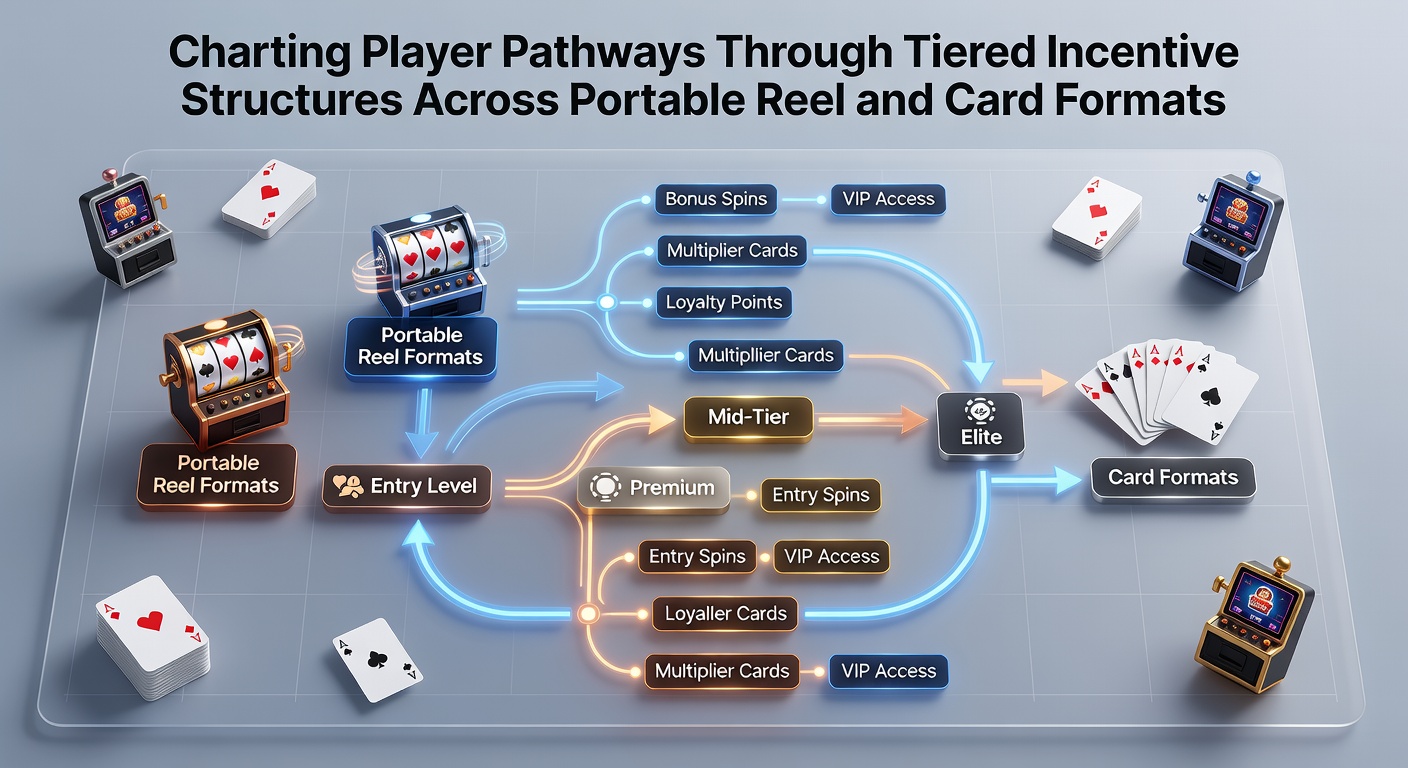
Portable gaming platforms organize player movement through structured reward systems that connect reel-based games with card formats, and data from industry reports shows these tiered incentives operate across multiple operators in various regions. Players accumulate activity points during reel spins that unlock progressive benefits, while card formats receive targeted promotions once certain thresholds appear. Researchers at institutions such as the University of Nevada, Las Vegas have documented how these pathways encourage transitions without mandating them, and statistics indicate average session lengths increase when bonuses bridge the two formats.
Core Mechanics of Tiered Progression
Tiered systems assign levels based on deposit volume, play frequency, and game variety, which means a newcomer starts at entry rank after initial reel sessions and gains access to cashback rates that rise with continued activity. Card tables become visible through dedicated challenges that award extra multipliers, and observers note these challenges often appear after 50 to 100 reel spins in tracked accounts. Data from the American Gaming Association reveals mobile reel formats account for roughly 65 percent of first-time deposits in tracked markets, yet conversion to card play climbs when incentive ladders include live dealer qualifiers.
Points earned on reels convert directly into tier credits that unlock card-specific perks such as reduced rake or guaranteed seat reservations, and this conversion rate differs by operator yet follows similar patterns across platforms. One study released in May 2026 by an Australian gambling research consortium found that players who reach the second tier within 14 days show a 40 percent higher likelihood of sampling blackjack or poker variants during the same month.
Reel-to-Card Transition Patterns
Many platforms present reel bonuses that include “next-step” vouchers redeemable only on card tables, which creates a clear route without forcing immediate change. Those who study user behavior report that such vouchers perform best when they carry a 24-hour expiry window, and this timing keeps momentum while players remain logged into the mobile application. Live card rooms integrated with reel progressions often feature shared loyalty meters, so activity on either side feeds the same tier advancement.
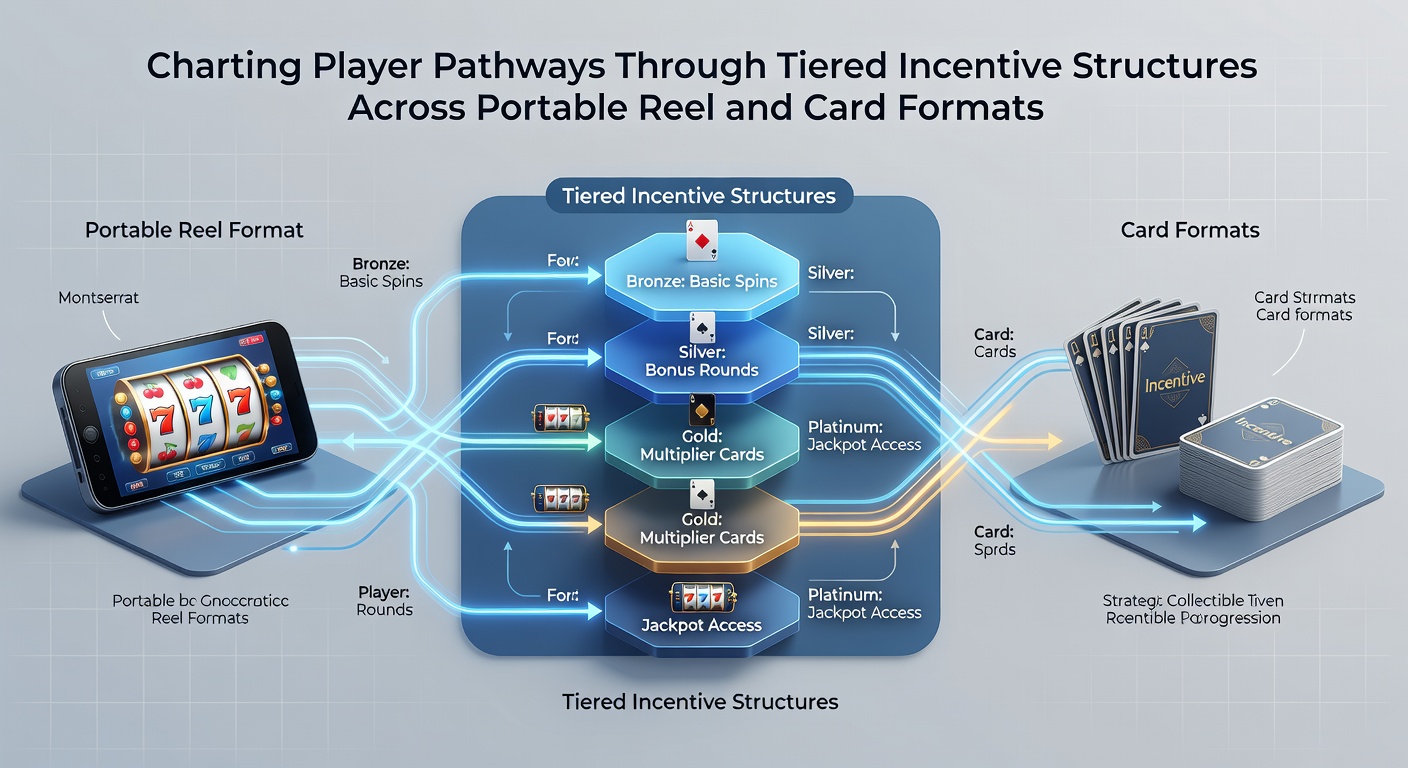
Payment method integration further smooths these moves because instant deposit options frequently carry cross-format bonuses, and figures from Canadian provincial regulators show deposit speed correlates with faster tier climbs. Players who use digital wallets reach mid-tier status an average of three days sooner than those relying on slower methods, according to aggregated transaction logs examined in 2025 industry analyses. Card formats benefit when reel streaks trigger table credits, and this linkage keeps engagement high across both environments.
Regional Variations in Structure
Operators in North American markets tend to emphasize cashback tiers that apply equally to reels and cards, whereas European platforms more commonly layer free-spin rewards onto card-entry challenges. The Nevada Gaming Control Board publishes quarterly summaries that track how tier advancement affects game mix preferences, and those summaries indicate card play volume rises steadily once players surpass the bronze or silver ranks. Australian operators follow a comparable model yet add time-limited leaderboards that reward the fastest reel-to-card transitions with exclusive tournament seats.
Support services play a supporting role by guiding users through tier requirements via in-app messages and chat prompts, and data indicates response times under two minutes correlate with higher completion rates for progression tasks. Industry organizations such as the European Gaming and Betting Association have compiled case studies showing that clear explanations of incentive ladders reduce player drop-off between the reel and card phases.
Measurement and Reporting Practices
Analytics teams monitor conversion funnels by logging the exact moment a player first opens a card table after qualifying via reel activity, and these logs feed into automated tier adjustments. Reports from multiple jurisdictions confirm that transparency around point values and redemption rules increases overall retention across both formats. Mobile applications display real-time progress bars that update after each qualifying spin or hand, which keeps participants aware of their current standing without external calculation.
Seasonal promotions in early 2026 further aligned reel and card incentives by offering combined milestone rewards, and participation metrics released by several operators showed simultaneous growth in both categories. Those metrics also highlighted that players who complete at least one cross-format challenge maintain higher average deposit sizes over the following quarter.
Conclusion
Tiered incentive structures continue to shape how mobile users move between reel and card formats, with data indicating measurable effects on session duration, deposit frequency, and format variety. Regulatory summaries and academic examinations provide ongoing visibility into these patterns, while operators refine reward schedules based on observed behavior across regions. The pathways remain dynamic as new payment tools and live features integrate into existing ladders, yet the underlying principle of progressive access stays consistent across documented systems.