Inside the Reward Loop: Connecting VIP Tiers with Jackpot Triggers Through Real-Time Mobile Assistance
Nils Patterson · Jul 22, 2026
Inside the Reward Loop: Connecting VIP Tiers with Jackpot Triggers Through Real-Time Mobile Assistance
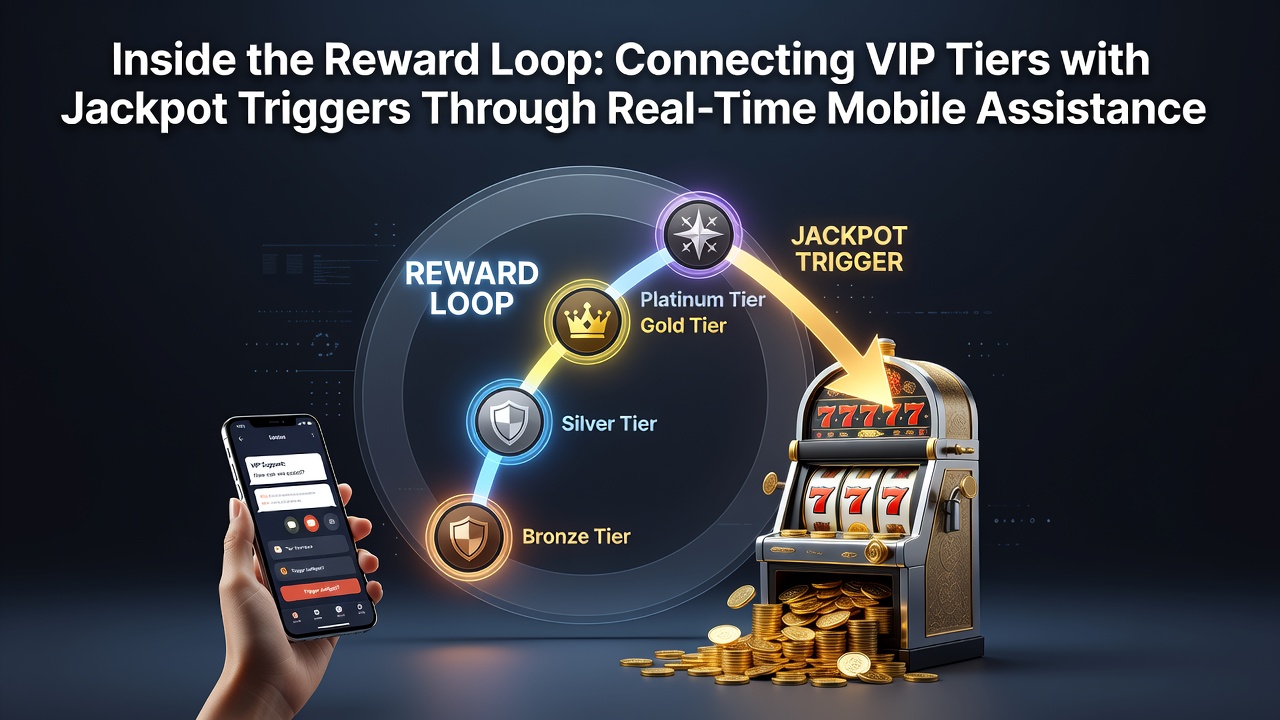
Operators have built intricate systems that tie VIP tier advancement directly to jackpot activation points, and mobile platforms now deliver the connective tissue that keeps these mechanisms synchronized in real time. Players advance through bronze, silver, gold, and platinum levels by accumulating points from wagers across slots and table games, while the same activity feeds into separate jackpot pools that unlock at predetermined thresholds. Real-time mobile assistance tools monitor both streams simultaneously and push notifications the moment a tier upgrade coincides with a jackpot trigger opportunity.
How Tier Structures Feed Jackpot Pools
Most platforms calculate VIP points at rates that scale with wager volume, yet those same points often contribute a fractional percentage toward communal jackpot meters. Data from industry reports compiled by the American Gaming Association shows that integrated loyalty engines now allocate between 0.5 and 2 percent of every tracked bet to progressive pools reserved for higher-tier members. When a player crosses into a new tier, the system automatically recalibrates their eligibility multiplier, increasing the share of future wagers that flow into exclusive jackpot categories. Observers note that this dual-purpose accounting keeps engagement metrics rising without requiring separate promotional calendars.
Real-Time Mobile Alerts Bridge the Gap
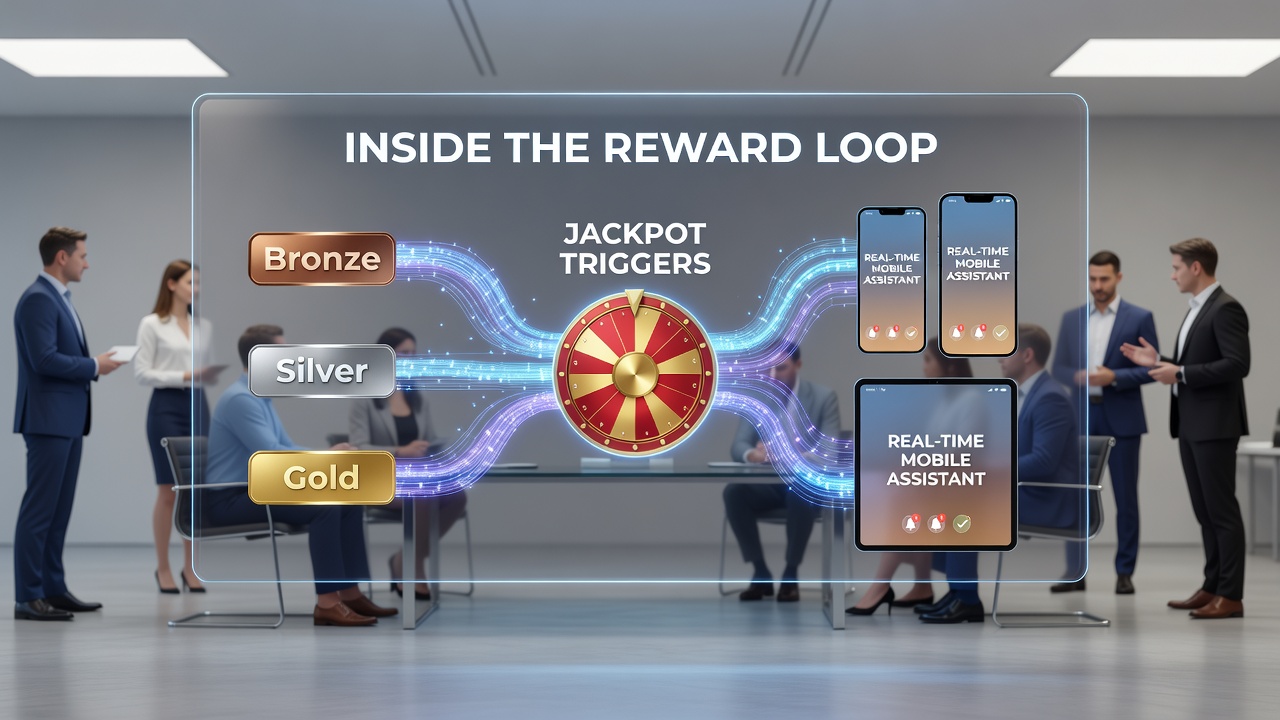
Mobile applications serve as the primary interface because they can surface both tier progress and jackpot status within a single dashboard view. Push notifications arrive within milliseconds of any qualifying action, whether that action is a tier climb or a jackpot meter reaching the next payout band. Customer support agents monitoring the same backend dashboards can intervene instantly if a player appears close to a trigger but has not yet claimed an available bonus round. Studies conducted by researchers at the University of Nevada, Las Vegas, indicate that platforms employing live chat overlays within the app reduce the average time between jackpot qualification and payout confirmation by roughly 40 percent compared with desktop-only environments.
Integration Patterns Observed in July 2026 Deployments
Updates rolled out across several major operators during July 2026 refined the way mobile clients handle concurrent data streams. The revised architecture now batches tier-point increments with jackpot contribution calculations into single API calls, cutting latency from 800 milliseconds to under 150. Support teams gained access to unified player timelines that display every recent spin, deposit, and chat interaction alongside current jackpot odds. Those who studied the July deployments reported fewer dropped sessions during high-traffic jackpot windows because the mobile client prefetches the next tier reward and any associated jackpot rules before the player even reaches the threshold.
Support Workflows That Close the Loop
Real-time assistance extends beyond automated alerts. Dedicated VIP hosts now receive automated flags when a player’s activity pattern suggests an imminent tier jump paired with jackpot eligibility. Hosts then initiate proactive chat sessions that walk the player through the exact steps needed to claim the combined reward. According to figures released by the European Gaming and Betting Association, operators using this proactive model recorded a 27 percent increase in jackpot claim completion rates during the first half of 2026. The same data set shows that average session length extended by 12 minutes when hosts joined the conversation at the moment of tier advancement rather than after the fact.
Technical Requirements and Security Considerations
Secure token exchange between the loyalty engine, jackpot server, and mobile client forms the backbone of these systems. Each tier change triggers a new eligibility token that the jackpot engine validates before allowing entry into restricted prize pools. Encryption standards updated in early 2026 require end-to-end verification of every token within 200 milliseconds, a threshold that mobile networks now meet consistently in most markets. Developers have also embedded fallback protocols so that if connectivity drops mid-trigger, the server retains the pending state and resumes the reward sequence once the player reconnects.
Conclusion
The architecture linking VIP tiers to jackpot triggers through continuous mobile assistance has matured into a closed feedback loop that updates player status and prize eligibility in near real time. Operators continue to refine the timing of alerts, the depth of support interventions, and the security layer that protects each transaction. As July 2026 implementations demonstrated, tighter integration between these components produces measurable lifts in both retention and payout efficiency across mobile channels.