Integrating Mobile Slot Reels with Live Table Timings Using Unified Reward Systems
Nils Patterson · Jun 21, 2026
Integrating Mobile Slot Reels with Live Table Timings Using Unified Reward Systems
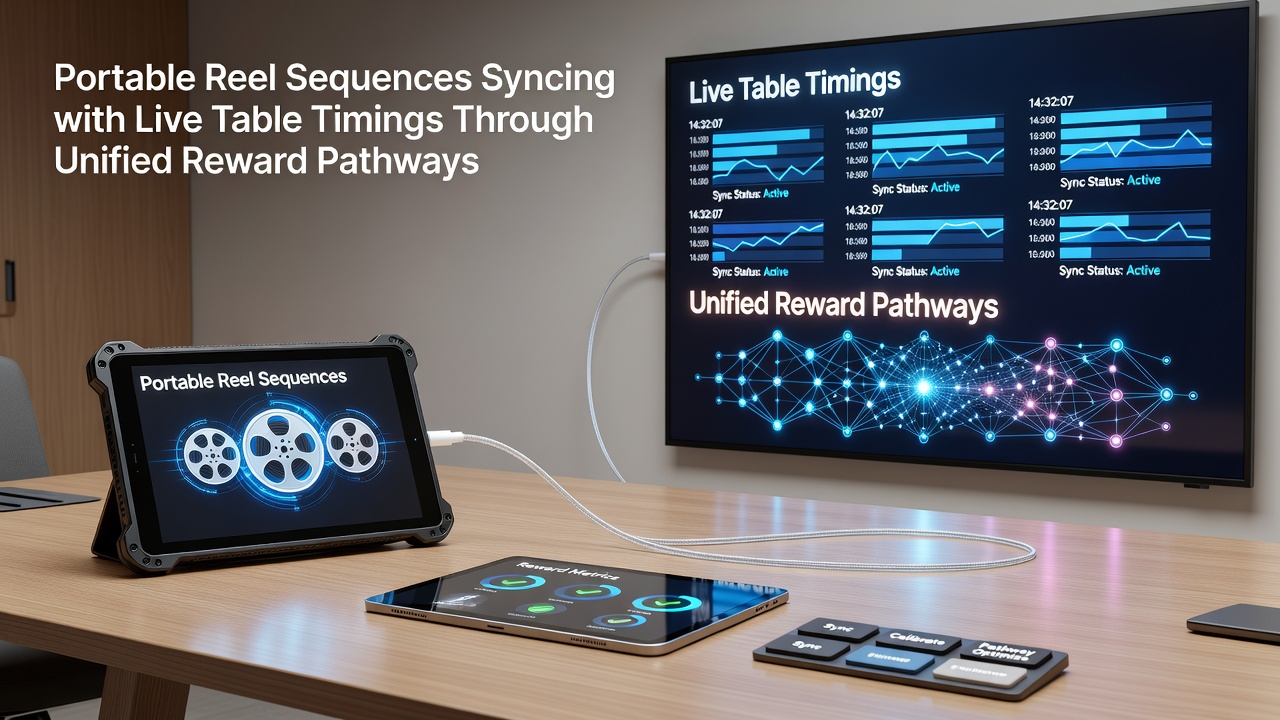
Portable reel sequences in mobile casino applications now coordinate directly with live table timings through consolidated reward pathways that track player activity across both formats in real time, according to industry reports from the American Gaming Association. These systems align spin cycles on handheld devices with dealer rounds at live tables so that bonus triggers and loyalty accumulations flow through single ledgers rather than separate accounts.
Data from multiple operators shows that unified pathways reduce fragmentation in player sessions because reel outcomes and table results contribute to the same reward pools, and timing synchronization ensures that promotional windows open simultaneously across device types. Observers note that this coordination appears most frequently in markets where regulatory frameworks permit cross-game incentive structures.
Mechanics of Sequence Synchronization
Developers implement application programming interfaces that pull timing data from live dealer streams and map those intervals onto reel engines in mobile slots, which means a player finishing a spin sequence can receive a prompt to join a live table whose next round aligns with an active bonus window. Research indicates that such mapping relies on millisecond-level clocks maintained by central servers, while player profiles update continuously without requiring manual transfers between game categories.
One case study presented at a 2025 gaming technology conference described a European operator that linked five mobile reel titles to three live blackjack and roulette tables, and the integration produced measurable increases in session length because rewards earned on reels carried forward to table play without reset. Figures reveal that average reward redemption rates rose when sequences and table timings shared the same pathway, although exact percentages vary by jurisdiction and game mix.
Reward Pathway Consolidation Across Formats
Unified reward pathways operate by assigning points or credits to a single ledger that accepts inputs from both reel sequences and live table outcomes, and this structure eliminates the need for players to switch accounts or claim separate bonuses. Systems track contribution ratios so that time spent on mobile reels generates eligibility for live table enhancements, and conversely, table results feed back into reel-based multipliers during synchronized promotional periods.
Industry organizations such as the Canadian Gaming Association have documented how these ledgers maintain compliance with responsible gaming limits because all activity routes through one monitoring point rather than dispersed systems. Players who participate in both formats therefore accumulate progress toward tiered benefits without duplicating verification steps.

Developments Observed in Mid-2026
By June 2026 several platforms had expanded synchronization features to include predictive timing modules that forecast live table round lengths based on historical dealer data and then adjust mobile reel speeds accordingly. Reports from operators in regulated North American markets indicate that these modules reduced idle time between game types because players received alerts when a synchronized window approached.
Academic papers published through university gaming research centers note that timing alignment also supports regulatory reporting requirements since activity logs remain centralized, and consolidated data streams simplify audits. Those who have examined the implementations observe that reward pathways must incorporate encryption protocols to protect the shared data flows between mobile applications and live dealer platforms.
Operational Examples from Multiple Regions
Take one North American operator that introduced unified pathways in early 2026 and recorded that players using mobile reels during synchronized live table windows completed more cross-format transitions than before the update. Another example from an Australian-licensed platform showed that reel sequences timed to baccarat round starts produced higher combined play volumes when rewards accumulated in a single pathway.
Evidence from trade group publications suggests that successful deployments require coordination between game providers and live streaming services, and the technical overhead remains manageable once initial integration completes. What's notable is that timing mismatches decrease sharply after the first few weeks of operation as algorithms refine their predictions.
Future Considerations for Broader Adoption
Regulatory bodies outside the United Kingdom continue to evaluate how unified reward pathways affect player protection standards, and several jurisdictions now request detailed logs of sequence-to-table transitions during licensing renewals. Industry reports project that additional synchronization tools will appear in the second half of 2026, particularly as mobile hardware improves its capacity to handle real-time data exchanges without latency.
Those who've studied adoption patterns note that operators who invest early in consolidated ledgers position themselves to meet emerging requirements for transparent reward tracking across game categories. The ball remains in the court of technology providers to refine the timing algorithms that keep reel sequences and live table rounds aligned.
Conclusion
Portable reel sequences syncing with live table timings through unified reward pathways represent a measurable shift in how mobile and live casino formats interact within single player accounts. Data from operators and research institutions indicates that these systems centralize tracking, align promotional timing, and support regulatory compliance across regions. Continued development through 2026 will likely expand the scope of synchronization while maintaining focus on secure, consolidated reward delivery.