Integrating Tiered Rewards with Rapid Payment Systems in Mobile Live Dealer Environments
Nils Patterson · Jul 3, 2026
Integrating Tiered Rewards with Rapid Payment Systems in Mobile Live Dealer Environments
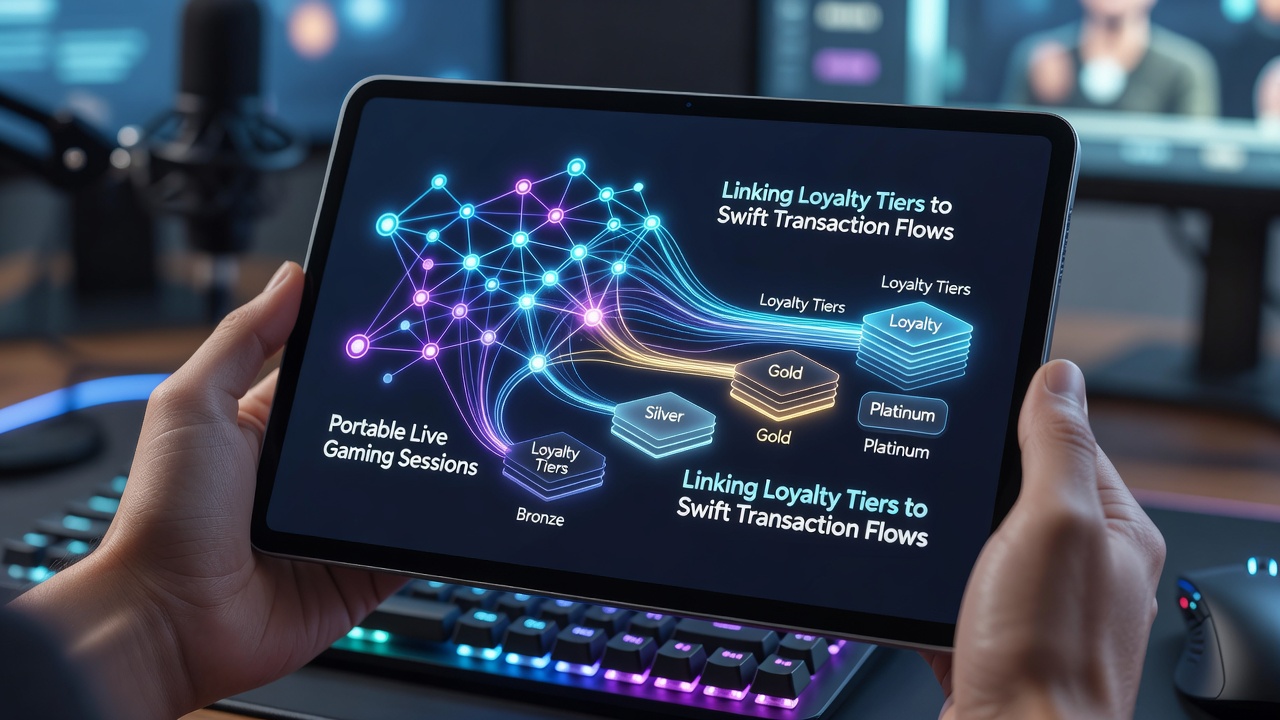
Portable devices now carry live dealer tables directly to players through dedicated apps that maintain continuous connections to studio feeds while processing loyalty adjustments in the background. Loyalty tiers function as structured progressions where accumulated activity unlocks enhanced transaction capabilities such as reduced processing intervals for deposits and withdrawals. Data from July 2026 shows that several major platforms reported tier advancement correlating directly with a measurable decrease in average transaction completion times across handheld sessions.
Tier Structures and Their Transaction Linkages
Entry-level tiers typically grant standard payment routing while mid-tier status activates priority channels that bypass routine verification queues during live play. Higher tiers incorporate automated cashback mechanisms that credit accounts immediately after qualifying bets settle on mobile live tables. Researchers at the University of Nevada Reno documented these linkages in a 2025 study of cross-platform data flows where tier elevation coincided with faster settlement rates in blackjack and roulette streams accessed via smartphones.
Operators configure backend rules so that tier status influences payment gateway selection in real time. A player moving from bronze to silver status might see their withdrawal request rerouted through an expedited processor that confirms completion within minutes rather than hours. This setup relies on API connections between loyalty databases and financial service providers that update eligibility flags instantly when mobile sessions record new activity milestones.
Technical Mechanisms Supporting Swift Flows
Modern mobile live gaming sessions transmit player actions and loyalty metrics simultaneously through encrypted channels that maintain session continuity even during network transitions between Wi-Fi and cellular data. Payment processors integrate with these same channels so that tier-based incentives activate without interrupting the live dealer feed. According to findings shared by the American Gaming Association, platforms using unified data pipelines observed consistent reductions in transaction latency when loyalty updates and financial requests share the same authentication layer.

Encryption standards and tokenization methods allow loyalty servers to authorize faster processing paths without exposing full account details during each live round. Developers achieve this by embedding tier flags into the session token itself so that payment requests carry pre-verified status information. Observers note that such architecture supports uninterrupted play because withdrawal approvals occur in parallel with ongoing dealer interactions rather than requiring players to exit the live table.
Regional Implementation Patterns
Platforms operating under iGaming Ontario regulations have demonstrated tier-linked payment features that adjust based on cumulative mobile session volume. These implementations use geofenced verification to confirm eligibility before applying accelerated flows during live sessions. Meanwhile, data compiled by the Australian Communications and Media Authority indicates that similar linkages appear in regulated markets where loyalty systems interface directly with approved banking partners for instant settlement.
Case examples include operators that automatically upgrade transaction speed once a player completes a set number of live dealer rounds on portable devices within a calendar month. The upgrade persists across subsequent sessions without manual intervention because the loyalty database pushes updated permissions to the payment module in real time. This approach avoids separate login sequences and keeps the focus on continuous live gameplay.
Security and Compliance Considerations
Regulators require that accelerated transaction paths maintain the same audit trails as standard routes even when tier benefits reduce processing steps. Compliance teams monitor these flows through centralized dashboards that flag anomalies across multiple live sessions simultaneously. Integration of loyalty tiers with payment systems therefore includes built-in logging that records both the tier status at the moment of request and the final transaction outcome.
Multi-factor authentication remains active at tier thresholds that grant the highest speed benefits, ensuring that rapid approvals do not compromise account security. Experts have observed that platforms balancing these elements achieve higher session retention rates because players experience fewer interruptions when moving between live tables and payment functions on the same device.
Conclusion
The connection between loyalty tiers and transaction processing in mobile live gaming continues to evolve through tighter API integrations and session-aware payment routing. Evidence from multiple jurisdictions demonstrates that structured reward levels can directly influence the speed and reliability of financial operations without disrupting live dealer experiences. As portable technology advances, these linkages are expected to incorporate additional data points such as device location and session duration to further refine processing pathways.