Mapping Digital Transitions: Support Systems Guiding Users from Mobile Slot Bonuses to Live Table Game Triumphs via Optimized Reward Structures
Lars Sullivan · May 20, 2026
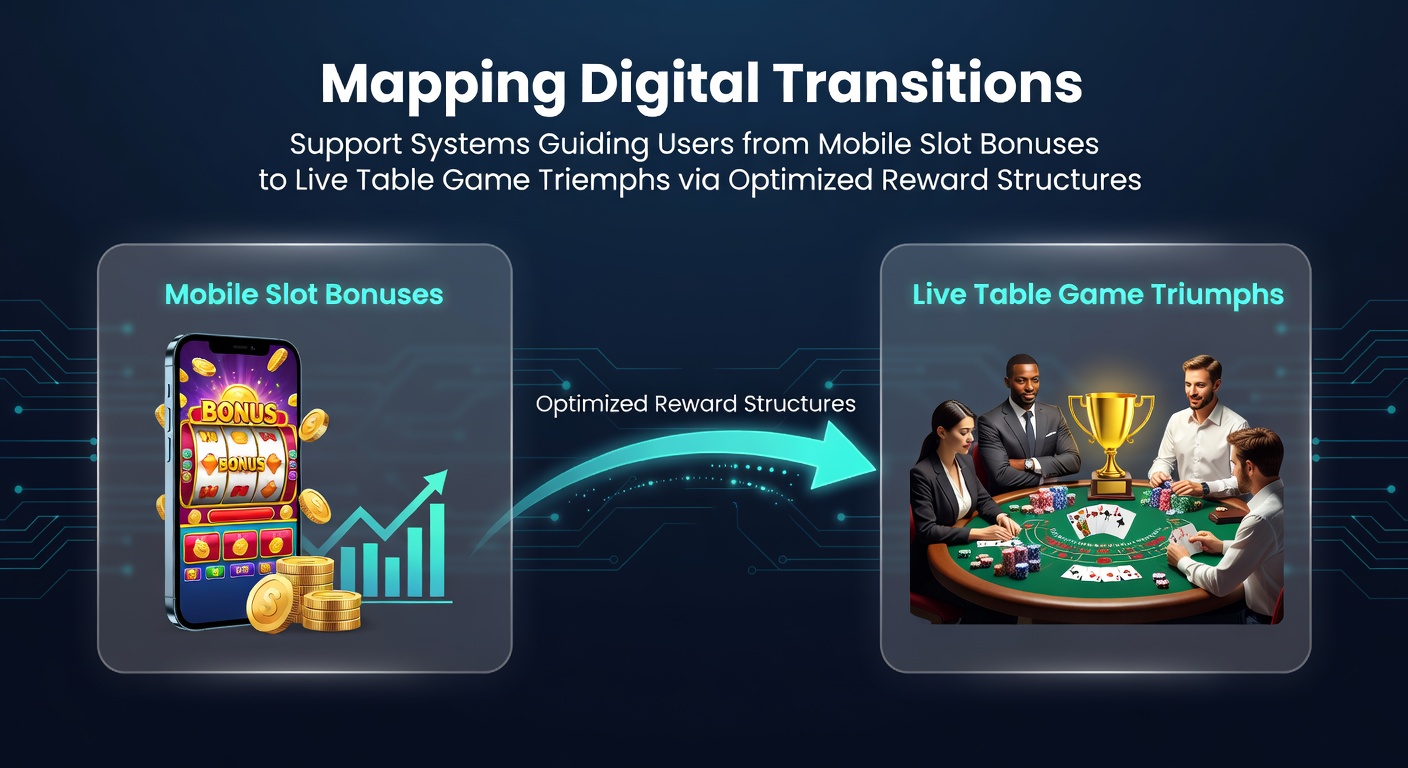
Mapping Digital Transitions: Support Systems Guiding Users from Mobile Slot Bonuses to Live Table Game Triumphs via Optimized Reward Structures
Digital platforms have developed structured pathways that move users from initial mobile slot engagements toward live table game participation, and support systems play a central role in facilitating these shifts through targeted reward mechanisms. Data from industry tracking services reveal that users who receive progressive incentives often progress along these routes at higher rates than those without such guidance, with engagement metrics rising notably in regions where personalized support integrates with app-based systems. As of May 2026, several operators report refined protocols that align bonus structures across game types, allowing points earned in slots to convert directly into table game credits while maintaining compliance with regional standards.
Tracing the Pathways in Mobile Environments
Users typically begin with slot-focused bonuses that introduce core mechanics such as free spins and multiplier features, and support tools embedded in applications track these interactions to suggest subsequent options. Research from gaming analytics firms indicates that sequential reward ladders encourage movement toward table formats when points accumulate across sessions, creating continuity rather than isolated experiences. Observers note that notification systems and in-app guides help clarify how slot winnings translate into table eligibility, reducing friction during the switch. In practice, these mappings rely on backend algorithms that monitor play patterns and adjust offers accordingly, which studies from academic sources confirm can extend average session durations when executed with precision.
Support Mechanisms at Key Transition Points
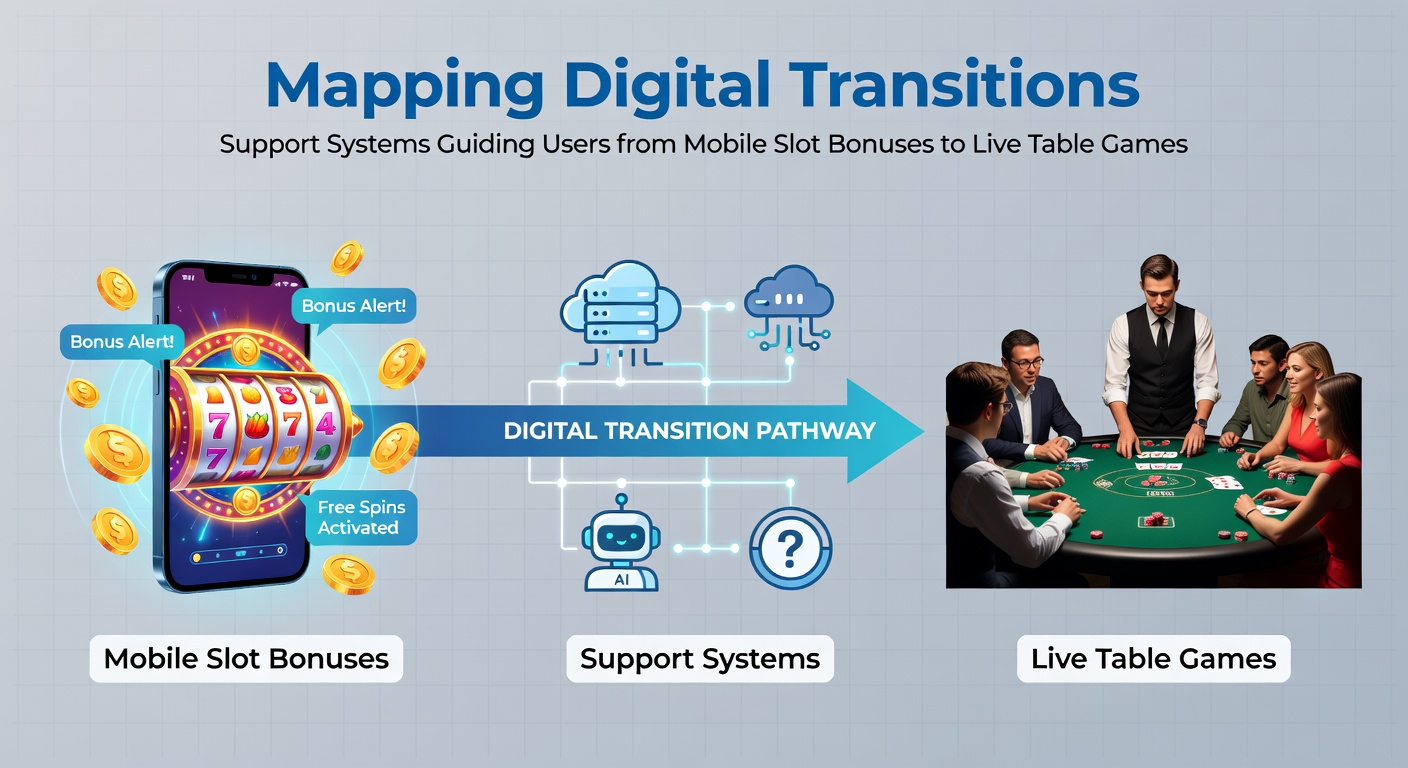
Customer assistance channels, including live chat and automated response modules, activate at moments when users approach table game thresholds, providing clarification on rule variations and bonus redemptions. Figures from operational reports show that timely interventions correlate with smoother progressions, particularly when support staff reference individual reward histories to tailor explanations. Platforms incorporate tiered loyalty frameworks where slot bonuses feed into broader VIP statuses, unlocking table-specific advantages like reduced rake or exclusive dealer access. These structures operate under oversight from bodies such as the Nevada Gaming Control Board, which enforces transparency in how rewards transfer across formats.
What's interesting is the way data synchronization between mobile interfaces and live dealer streams supports uninterrupted momentum, letting accumulated credits apply without manual re-entry. Systems log each step so that users receive updates on progress toward live game milestones, and this documentation proves useful when queries arise about eligibility or payout timelines. External audits confirm that optimized reward paths maintain balance by capping bonus values at each stage, preventing disproportionate shifts that could disrupt platform economics.
Optimizing Rewards for Cross-Format Movement
Reward architectures achieve optimization through layered point systems that assign values based on game category and user tenure, allowing slot-derived credits to carry forward into live environments with defined conversion rates. Industry reports highlight that such layering sustains participation levels when multipliers adjust dynamically according to recent activity, and this approach draws from behavioral datasets compiled across multiple jurisdictions. In May 2026, updates to cross-platform compatibility have enabled real-time reward visibility, so users see exactly how slot bonuses position them for table game entry without separate verification steps. Those who study these patterns observe that clear mapping reduces drop-off at transition points, as users receive prompts that align with their established play preferences.
Take one platform operator that implemented unified dashboards: users navigate from slot sections to live lobbies while reward summaries update automatically, and support logs show fewer clarification requests as a result. Academic analyses published in gambling studies journals support the view that integrated systems foster longer-term retention when they prioritize visibility and predictability in reward flows. Regulatory frameworks in places like Ontario require operators to disclose these conversion mechanics upfront, which reinforces trust during the move from slots to tables. Yet the reality remains that success depends on backend stability, where payment and loyalty databases align without latency.
Regional Variations and Data Insights
European markets demonstrate distinct implementations compared with North American counterparts, where support systems emphasize multilingual guidance for reward transitions. Statistics compiled by international gaming associations indicate higher conversion rates in jurisdictions that mandate detailed user education materials alongside app features. Australian regulatory bodies have similarly documented how optimized structures contribute to measured growth in table game uptake among mobile-first users, with emphasis on responsible play prompts embedded at each reward milestone. These reports avoid uniform prescriptions, instead reflecting local priorities such as session limits or verification protocols that interact with bonus pathways.
One study from a Canadian research consortium examined user logs across six months and found that platforms with proactive support messaging achieved steadier progressions from slot bonuses to live formats. The findings emphasize measurable outcomes like reduced abandonment during live game onboarding rather than subjective satisfaction scores. Observers continue to track how these elements evolve, particularly as new interface standards emerge in 2026.
Conclusion
Support systems and reward structures together form the backbone of user transitions in digital casino settings, guiding movement from mobile slot bonuses toward live table participation through documented, data-driven steps. Evidence from regulatory and research sources confirms that optimized frameworks maintain continuity across formats while adhering to compliance requirements. Platforms that align these components effectively demonstrate measurable continuity in user activity, and ongoing refinements as of May 2026 reflect adaptations to evolving technical and oversight conditions. Continued examination of these mappings provides insight into how digital environments sustain engagement across diverse game types.