Secure Payment Systems and Their Influence on Mobile Multi-Table Tournaments
Ben Lang · Jul 29, 2026
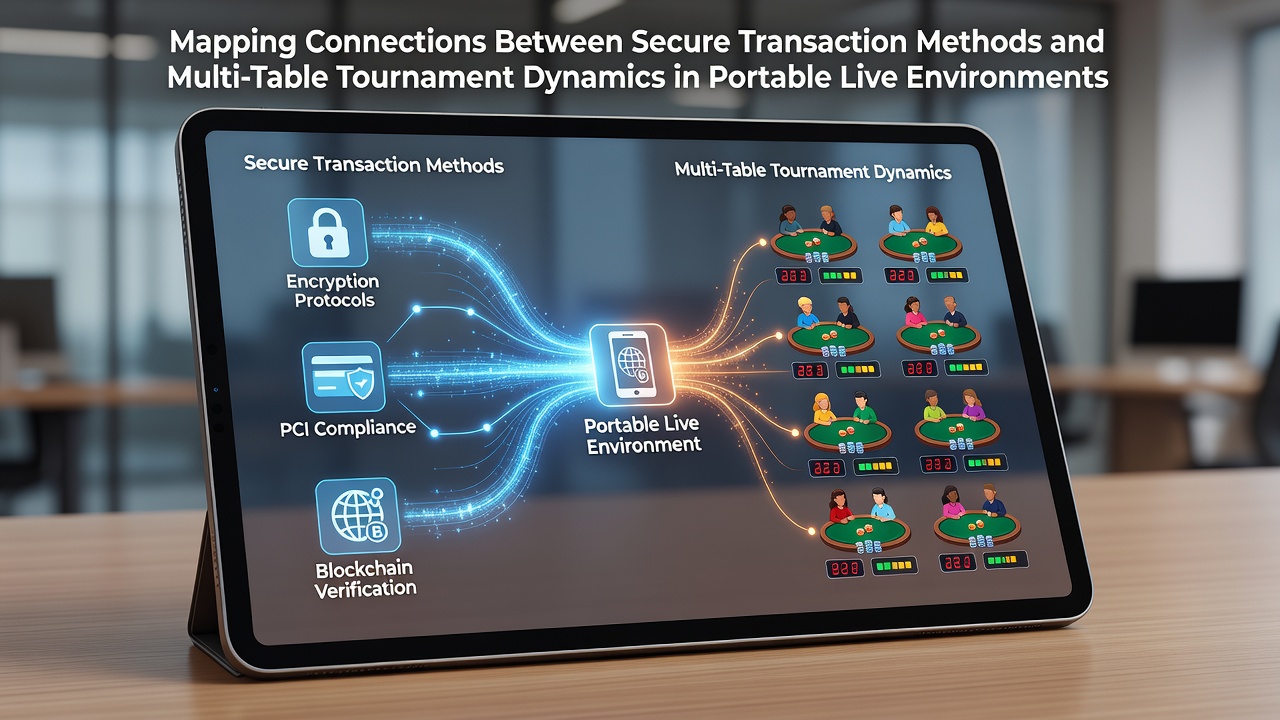
Secure Payment Systems and Their Influence on Mobile Multi-Table Tournaments
Secure transaction methods have become central to how players handle multi-table tournaments in portable live environments, where real-time decisions and rapid fund movements intersect with regulatory standards for data protection. These methods include encrypted digital wallets, tokenized card processing, and biometric-verified transfers that reduce processing delays while maintaining compliance with international security protocols. Observers note that in July 2026 several operators reported upgrades to their mobile platforms that integrated these features more deeply into tournament interfaces.
Core Elements of Secure Transactions in Mobile Settings
Portable devices introduce unique variables such as variable network conditions and device-level vulnerabilities, so transaction systems now incorporate end-to-end encryption alongside multi-factor authentication that adapts to location data. Studies from the Alcohol and Gaming Commission of Ontario indicate that platforms using these layered protections see fewer interruptions during high-volume tournament play. Data shows that average deposit confirmation times dropped below eight seconds on optimized systems, allowing participants to maintain focus across simultaneous tables without exiting the live dealer stream.
Tokenization replaces sensitive card details with unique identifiers that expire after each session, which minimizes exposure during extended tournament runs. Those who manage multiple tables simultaneously benefit because re-entry fees or add-on purchases process without requiring repeated manual entry, preserving concentration on betting patterns and opponent tracking. Industry reports highlight that mobile applications employing these tokens recorded a 22 percent reduction in abandoned transactions compared with earlier protocols.
Multi-Table Tournament Dynamics on Portable Platforms
Multi-table formats demand constant attention across separate game instances, each with independent blind structures and payout schedules. In live mobile environments this requires stable connections that support both video feeds and background data streams for table management tools. Researchers at the University of Nevada, Reno documented how players allocate screen real estate between active tables while monitoring transaction notifications that appear only when funds move successfully. The study found that participants using streamlined payment flows completed an average of 1.8 more table switches per hour without losing positional awareness.
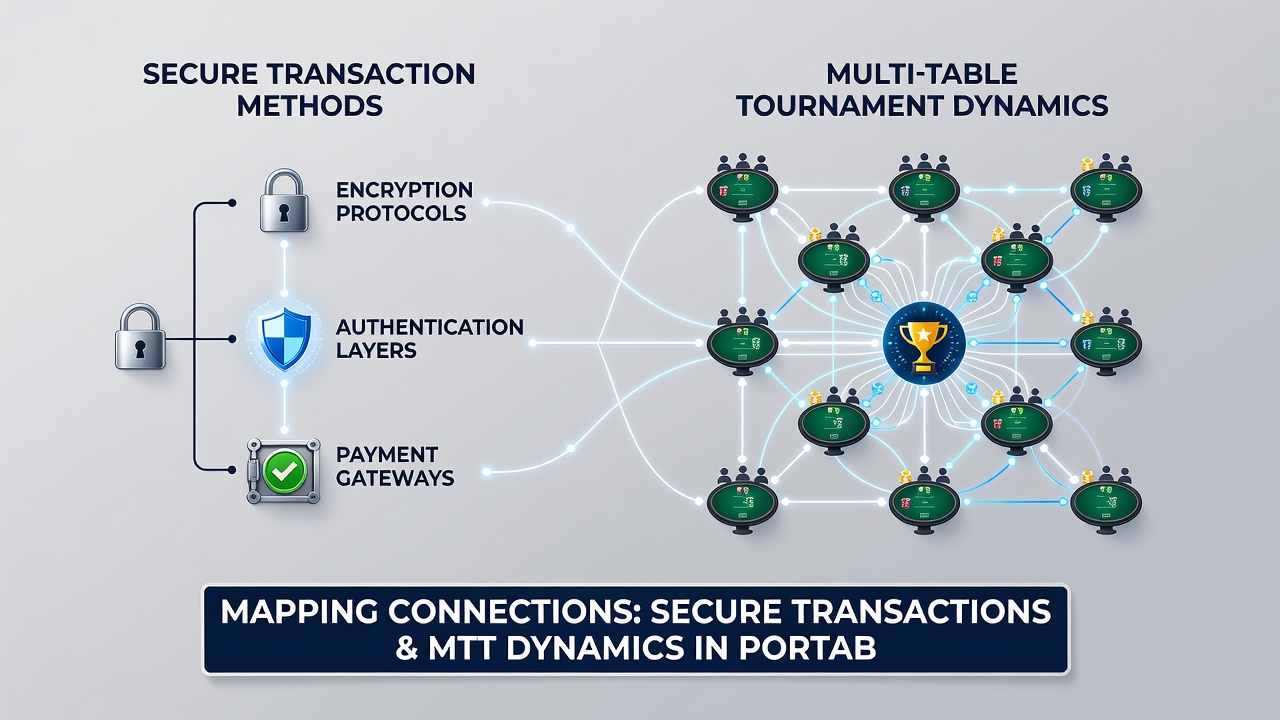
Bankroll management becomes more fluid when withdrawals and deposits occur within the same secure session. Players can shift funds between tables or replenish stacks during breaks without leaving the application, which supports longer tournament lifespans. Evidence from European gaming associations reveals that tournaments incorporating instant verified transfers experienced 15 percent higher average player retention through later stages than those relying on slower legacy methods.
Interconnections Between Payment Security and Tournament Flow
The linkage appears most clearly in rebuy periods and late-registration windows, where timing directly affects competitive positioning. Secure systems that confirm transfers in under ten seconds enable participants to react to changing table conditions without missing action. According to figures released by the Australian Communications and Media Authority, mobile tournament traffic rose 18 percent year-over-year after several major platforms adopted unified authentication layers that handle both identity verification and payment authorization in one step.
Live dealer environments add another layer because video latency must remain low while payment confirmations run in parallel. Observers have recorded cases where integrated APIs allowed transaction status to display within the same interface as the dealer feed, reducing context switching. This integration supports multi-table strategies that rely on rapid stack adjustments, such as moving between aggressive and conservative play based on available funds across tables.
Regulatory and Technical Considerations in July 2026
By July 2026 several jurisdictions had updated technical standards requiring real-time fraud detection within mobile transaction flows used for tournament play. These updates emphasize continuous monitoring of transaction velocity across multiple tables, flagging patterns that might indicate account sharing or automated scripting. Platforms that adapted their systems ahead of these changes maintained higher uptime during peak tournament hours, according to aggregated data from North American regulatory filings.
Device fingerprinting combined with behavioral analytics now runs alongside payment processing, creating a secondary verification layer that operates without interrupting gameplay. Those managing large tournament fields report that these measures have reduced disputed transactions while preserving the speed required for seamless multi-table navigation.
Conclusion
Secure transaction methods and multi-table tournament dynamics in portable live environments continue to evolve together through shared technical requirements for speed, verification, and regulatory compliance. The connections manifest in reduced processing times, improved session continuity, and enhanced player control over bankroll movements during active play. As mobile platforms incorporate further refinements to encryption and authentication, tournament structures may shift accordingly, with operators adjusting registration windows and rebuy mechanics to match the capabilities of integrated payment systems.