Tracing Payment Channel Diversity to Persistent Engagement in Live Dealer and Automated Casino Play
Zara Reed · Jun 26, 2026
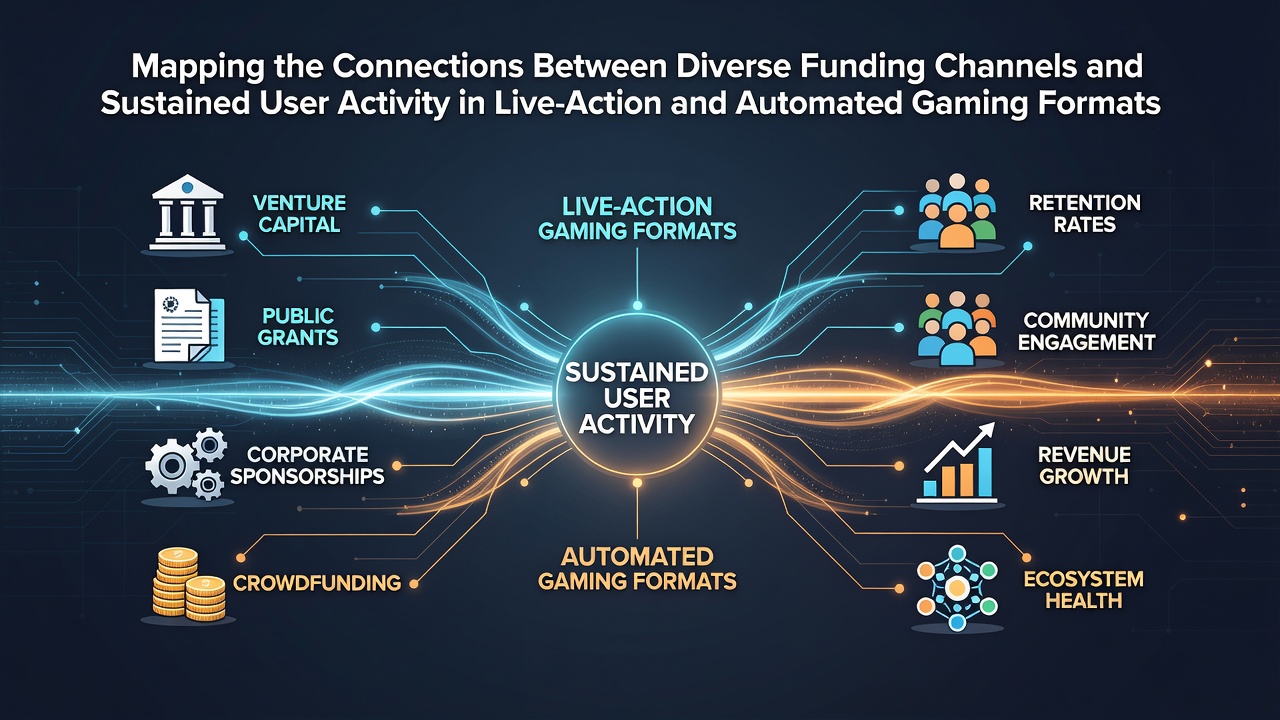
Tracing Payment Channel Diversity to Persistent Engagement in Live Dealer and Automated Casino Play
Payment methods range from traditional credit cards and bank transfers to digital wallets and cryptocurrency options, each carrying distinct processing speeds, fee structures, and accessibility features that shape how players interact with both live dealer tables and automated slot or table games over extended periods.
Funding Pathways and Activity Patterns
Research from the University of Nevada Las Vegas gaming laboratory reveals correlations between instant funding options and higher session frequencies in automated formats, while slower verification processes in certain bank channels align with steadier but lower-volume participation in live dealer environments during 2025 data reviews. Observers note that e-wallet users often maintain accounts across multiple operators because these tools reduce friction during deposit and withdrawal sequences, supporting repeated visits without extended breaks.
Live-Action Versus Automated Distinctions
Live dealer formats rely on real-time interaction that benefits from funding channels offering immediate confirmation, allowing participants to join tables without delays that might interrupt the social flow, whereas automated games tolerate a broader range of payment speeds since outcomes generate independently of human pacing. Data collected through industry tracking systems in North American markets during early 2026 shows automated game players using cryptocurrency channels record longer cumulative play hours per month compared with those limited to card-only deposits, although live sessions demonstrate steadier retention when bank transfer users receive scheduled bonus triggers tied to verified funding events.
Those who have examined transaction logs across platforms report that multi-channel support correlates with reduced churn rates, particularly when players switch between live roulette sessions and slot sequences within single accounts. And because funding verification times vary widely, operators that integrate several options see players returning more consistently across both game categories.
Regional Data Points and Industry Reports
Figures released by the Nevada Gaming Control Board in quarterly summaries highlight that diversified payment adoption in the state contributes to sustained handle figures through the first half of 2026, with automated formats capturing larger shares of activity from users who maintain multiple funding profiles. A separate analysis published by the Australian Gambling Research Centre links flexible banking integrations to extended player lifetimes in mixed live and machine environments, noting that participants in regulated markets demonstrate higher return rates when deposit limits adjust dynamically across channels.
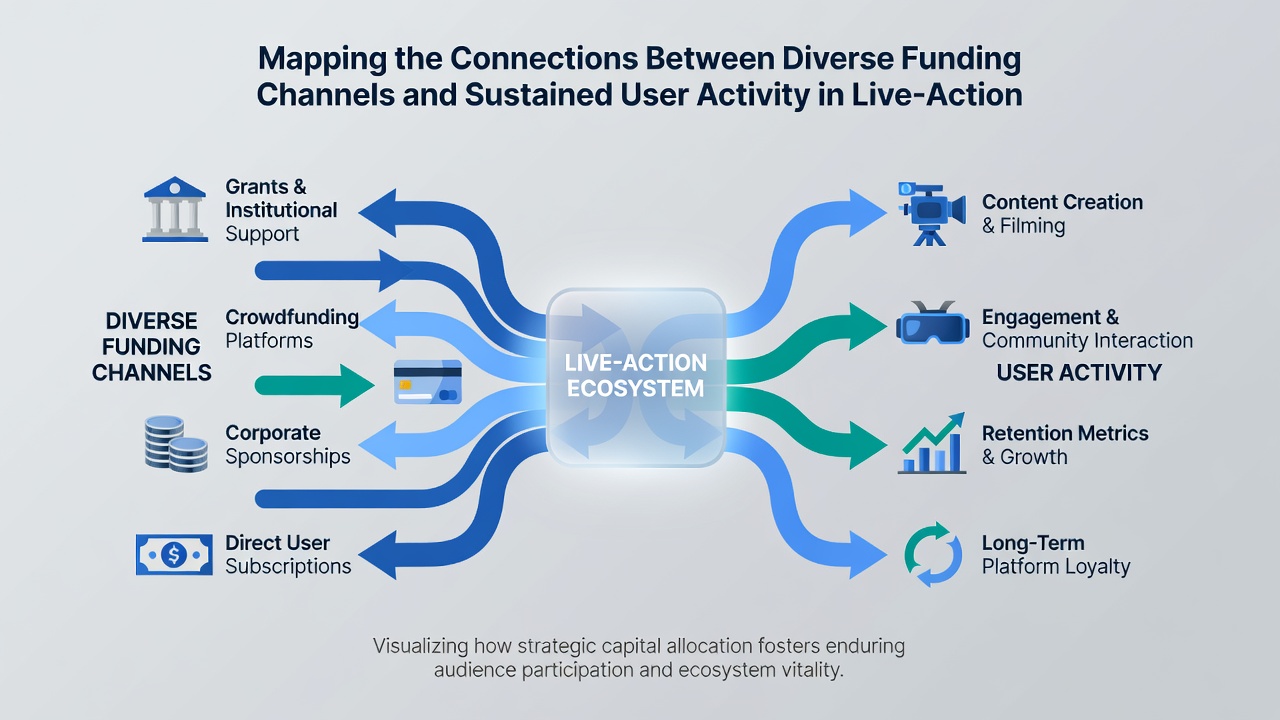
European regulatory summaries compiled by national authorities outside the UK further indicate that cryptocurrency-enabled accounts exhibit distinct activity spikes during live dealer events when combined with automated bonus triggers, creating hybrid engagement loops. Observers tracking these patterns emphasize that players often migrate between game types once initial funding succeeds without repeated verification hurdles.
Channel-Specific Retention Indicators
Card-based deposits continue to dominate volume in many jurisdictions, yet digital wallet and crypto users show elevated cross-format activity, moving fluidly from automated spins to live table participation within the same visit. Studies conducted by academic teams in Canada document that operators offering tiered verification speeds tied to funding type experience measurable lifts in monthly active accounts, especially when live and automated options remain accessible through unified balances. The reality is that seamless funding reduces drop-off points that previously interrupted play sequences across both categories.
June 2026 updates from multiple North American and Australasian monitoring bodies continue to track these relationships, revealing that diversified channels support steadier revenue streams when paired with loyalty structures that recognize activity regardless of game format. Take one operator network that introduced unified wallet features across live and automated sections, and the resulting data showed players extending average session lengths while alternating between dealer-hosted games and machine-driven ones without separate funding steps.
Conclusion
Connections between varied funding channels and sustained activity emerge most clearly through aggregated transaction and engagement datasets, demonstrating that accessibility, speed, and verification ease influence how consistently users participate in both live-action and automated gaming formats across different regulatory landscapes. Continued monitoring by academic institutions and regional authorities supplies the factual basis for understanding these dynamics as markets evolve through 2026 and beyond.