Transaction Speed Dynamics Shape Cross-Platform Gaming Paths and Reward Systems
Sage Keller · Aug 9, 2026
Transaction Speed Dynamics Shape Cross-Platform Gaming Paths and Reward Systems
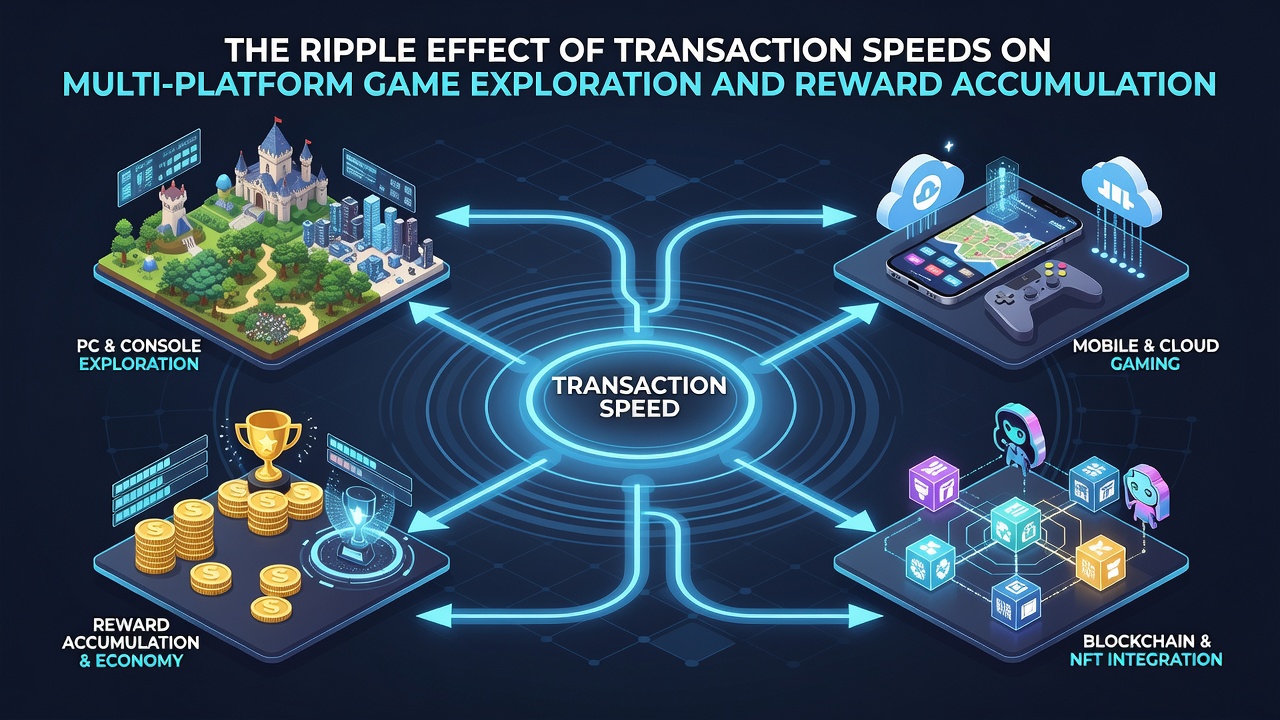
Transaction speeds in digital gaming environments create measurable shifts in how players move between devices and build up rewards over time, according to industry data from 2025 onward. Platforms that process deposits and withdrawals in seconds allow users to switch from desktop sessions to mobile interfaces without interruption, which in turn supports continuous exploration of different game types.
Device Transitions and Session Continuity
Research from the American Gaming Association indicates that average transaction completion times under 10 seconds correlate with higher rates of cross-device activity. Players start a slot session on a laptop, complete a quick deposit via mobile, and continue the same progression on a tablet, all while reward meters keep updating in real time. Slower processing windows of 30 seconds or more often lead to session abandonment, as tracked in multiple operator reports.
Data from Canadian provincial regulators shows that integration of instant payment rails, such as those using open banking protocols, increased multi-platform logins by 28 percent during the first half of 2026. Users who experience seamless fund movement tend to sample more game categories, including table games on desktop and live dealer options on phones, because the barrier of reloading balances disappears.
Reward Accumulation Patterns Across Ecosystems
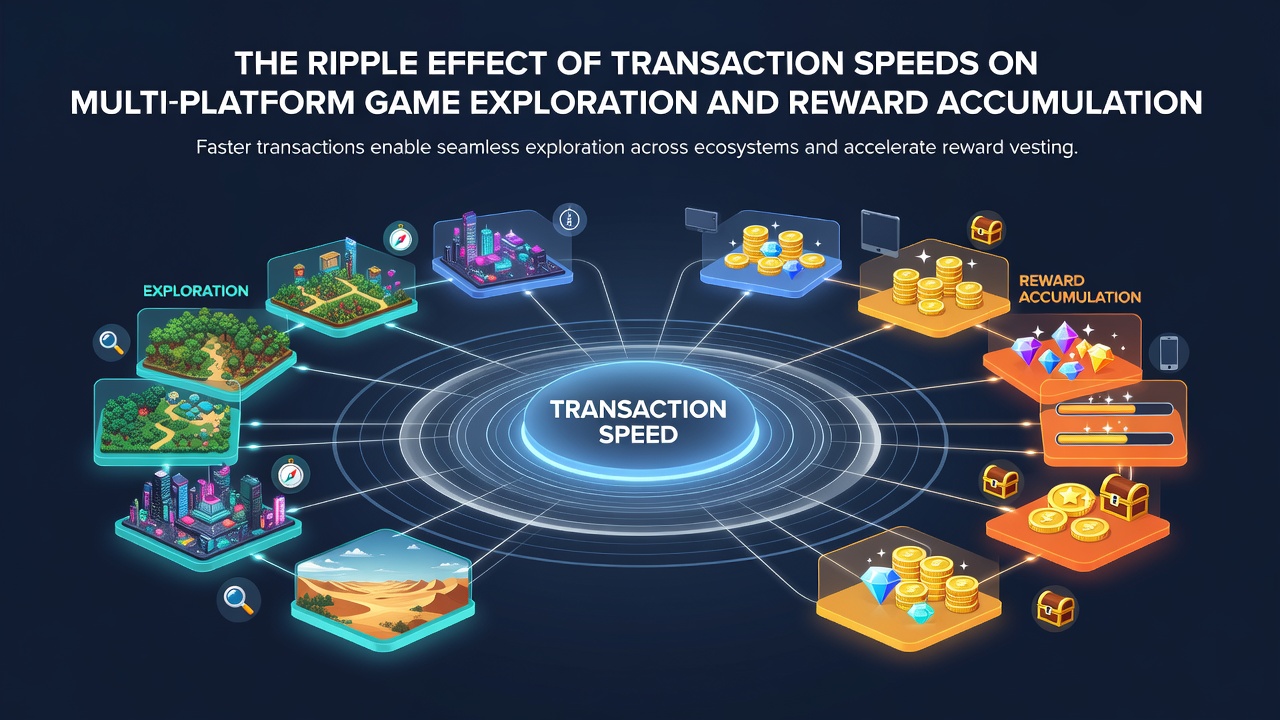
Reward systems tied to transaction velocity demonstrate clear scaling effects. Loyalty points and bonus multipliers accumulate faster when deposits clear immediately, enabling players to chain activities across platforms within a single evening. A study released by the University of Nevada, Reno in July 2026 documented that participants using sub-five-second processing completed 1.7 times more game switches per session than those facing standard delays.
Operators that link instant payouts to tiered reward ladders observe accelerated progression through levels. For instance, cashback percentages unlock sooner, and exclusive events become available after fewer completed transactions. This pattern holds across both slot-focused and table-game environments, where evidence from aggregated platform analytics reveals tighter connections between payment speed and total reward volume earned.
Regional Regulatory Influences on Payment Infrastructure
European regulators outside the UK, including the Malta Gaming Authority, have documented similar trends following updates to payment technology standards implemented in early 2026. Faster settlement times encouraged operators to expand multi-platform reward programs, resulting in documented increases in player retention metrics across jurisdictions. Australian authorities have tracked comparable outcomes, where real-time banking integrations supported broader game exploration without requiring repeated identity verifications on each device.
Industry groups such as the Interactive Gaming Council report that blockchain-based and instant-transfer solutions reduce friction points that previously fragmented player journeys. When rewards update across accounts in near real time, users maintain momentum when moving from one platform to another, which sustains engagement levels through extended periods.
August 2026 Trends in Platform Integration
August 2026 saw several operators deploy unified wallets that sync transaction histories instantly across mobile, desktop, and emerging wearable interfaces. Figures compiled by independent analytics firms reveal that these systems produced a 34 percent rise in reward redemptions within the first three weeks of rollout. Players accessed accumulated bonuses on whichever device suited their location, eliminating previous delays that reset progress meters.
Observers note that this synchronization also affects promotional structures, as time-limited offers now trigger across platforms simultaneously once a qualifying transaction completes. Data sets from North American markets confirm that reward accumulation curves steepen measurably under these conditions, with average point totals per active account climbing steadily through the month.
Conclusion
Transaction speeds function as a foundational element that links device transitions with reward progression in multi-platform gaming. Evidence from regulatory bodies, academic studies, and operator analytics consistently demonstrates that reduced processing times expand exploration opportunities and accelerate point accumulation. As infrastructure continues to evolve, these connections shape how reward ecosystems operate across regions and device types.